

In 1872, Jules Verne published a novel that, more than 140 years after its initial release, remains widely known and appreciated for its evocative power: Around the World in Eighty Days. The story follows the adventures of Phileas Fogg, a wealthy London gentleman of habitual, sedentary, and reserved character. On October 2, 1872, Fogg leaves his residence on Saville Row and heads to the Reform Club. As usual, at half past eleven he reaches the club premises after taking exactly 575 steps.
- Details
- Hits: 1000
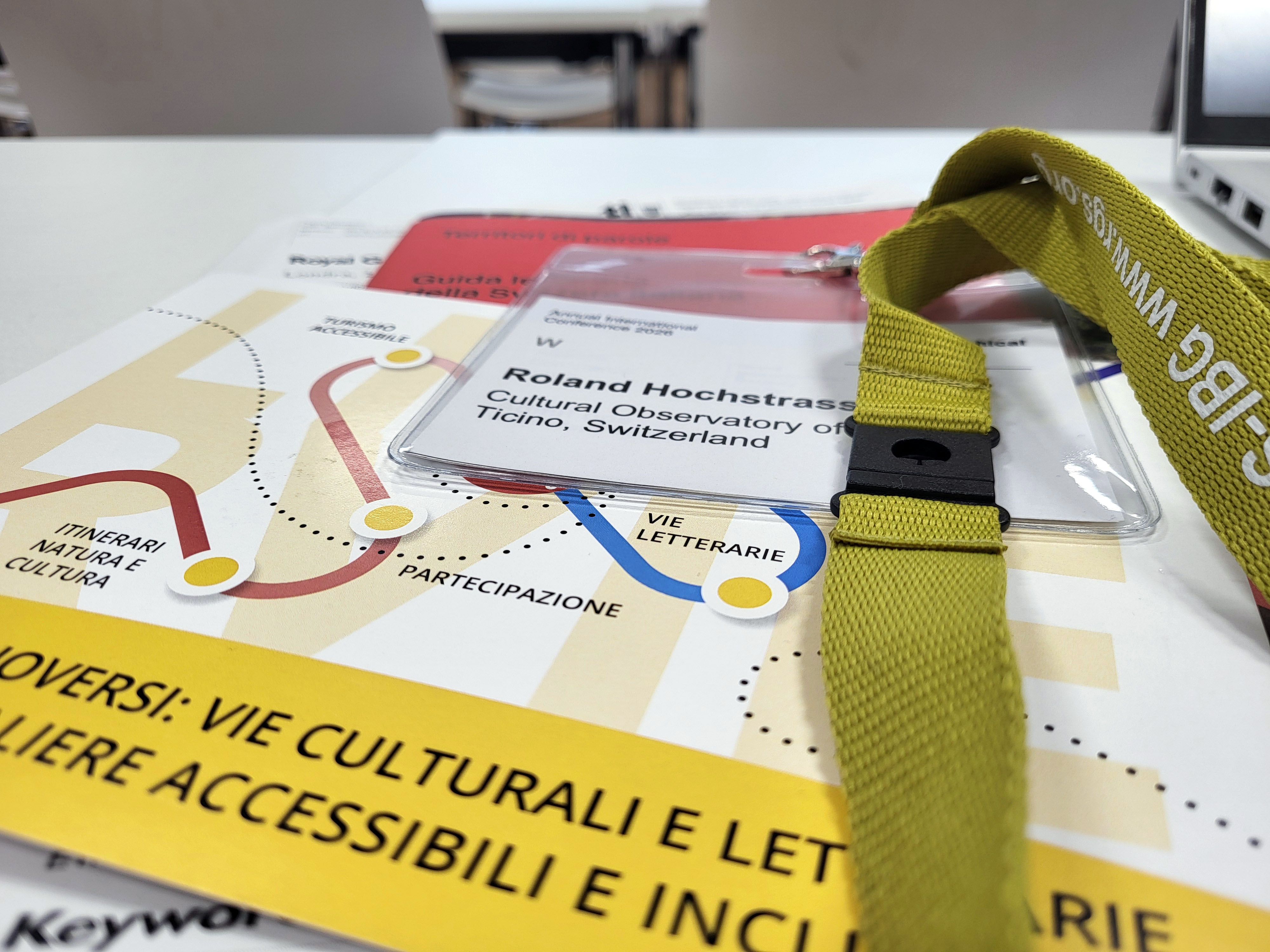
Cultural heritage, when made accessible and participatory, can constitute a powerful tool for countering spatial inequalities and injustices. As emphasised by the Faro Convention (Council of Europe, 2005), heritage is not a neutral object to be preserved, but a right to be actively exercised, capable of generating social cohesion and catalysing democratic processes.
- Details
- Hits: 379

From the late 19th century onwards, a new form of travel emerged, practised by globetrotters. These travellers enjoyed a golden age in the early decades of the 20th century: they embarked on improbable expeditions with makeshift means and often financed their journeys through the sale of illustrated postcards.
- Details
- Hits: 49