Cultural Observatories emerged in the late 1980s, gaining prominence over the last two decades. Initially inspired by Grenoble's Observatoire des politiques culturelles (1989) and Strasbourg's Observatoire européen de l'audiovisuel (1992), these observatories now number more than 100 across four continents, with a significant concentration in Europe. They vary in scope and focus, reflecting the diversity of cultural landscapes.


In the vibrant heart of the metropolises of the next decade, an unprecedented urban revolution awaits us, promising to redefine the way we live, work, and interact with the space around us. Driven by an increasing fusion of advanced technology and sustainable vision, urban centers are about to transform into living laboratories of innovation and integration. Here is how urban life might change, following six outlined hypotheses for the metropolises of tomorrow.

This article explores how Dubai has constructed its future-oriented urban imaginary through architecture, mega-events and cultural narratives, positioning itself as a laboratory for global visions of modernity.
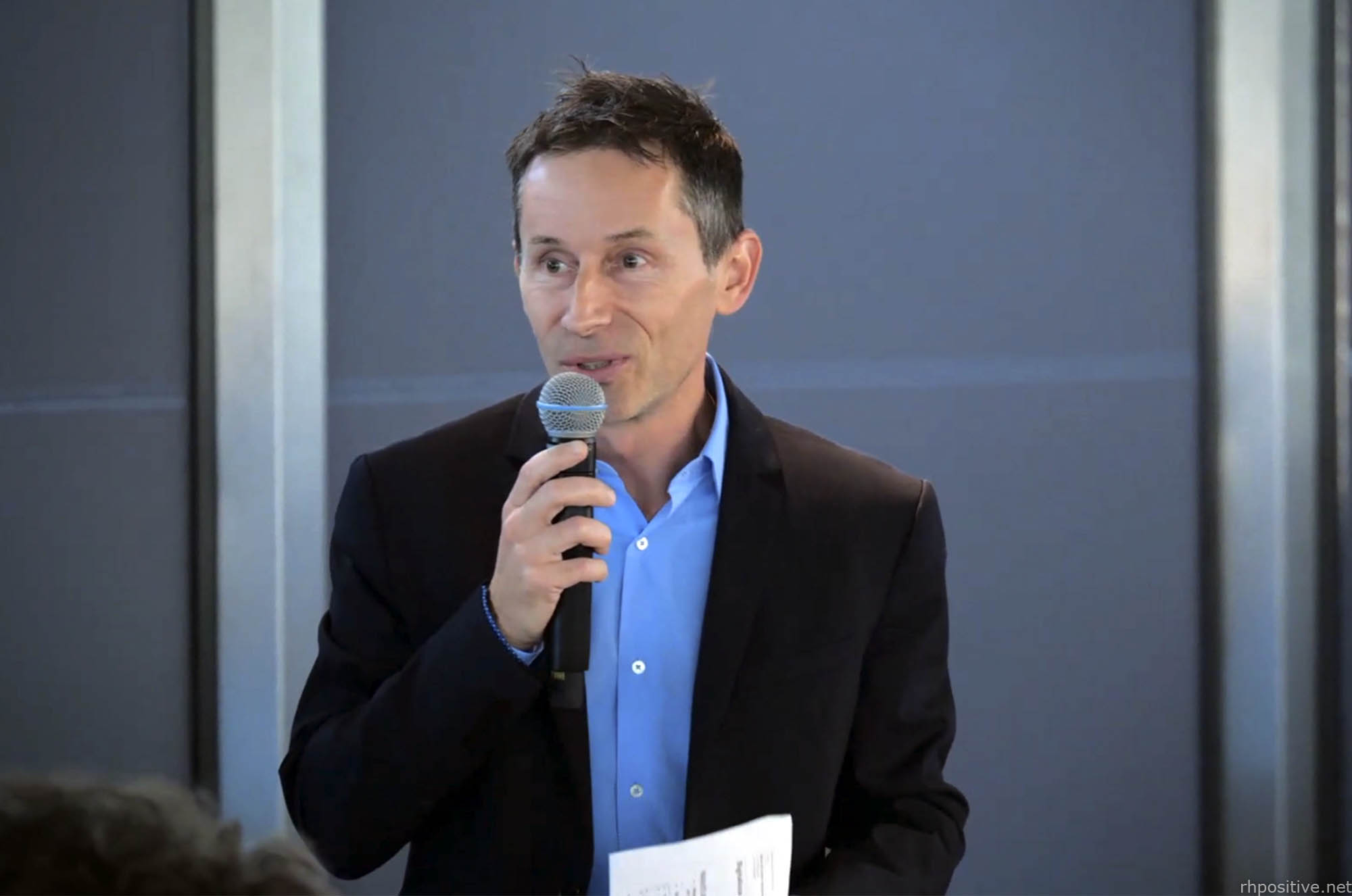
Trained as a geographer, Roland Hochstrasser heads the Office for the Analysis and Digital Cultural Heritage within the Department of Education, Culture and Sport of the Republic and Canton of Ticino. He is a member of the foundation boards of the Alpine Biology Center and Switch, and serves on the steering committees of the Memoriav Association and Swiss Cultural Capital.
Latest
- Accessible cultural heritage: freedom to move, freedom to read the territory
- A Year in the Spotlight: Europe's Cultural Capitals Landscape
- Cultural Observatories Worldwide: A Map for Reading Culture
- Globetrotters. A Repertory of World Travelers, 1850-1945
- Giving a Voice to the Past: Intangible Heritage and Forgotten Territories
Impressum
Copyright 1999-2026, www.rhpositive.net
Contact info@rhpositive.net
Source citation "Roland Hochstrasser, www.rhpositive.net"
Images Roland Hochstrasser unless otherwise specified
Translations Openai ChatGPT